

Reduce Oil Costs
Complete Foods helps commercial kitchens get more life out of every batch of frying oil. Through the right combination of Magnesol oil treatment, proper filtration, and objective quality testing, our customers consistently reduce their oil costs while maintaining the food quality their customers expect. Whether you run a single fryer or manage oil across dozens of sites, the approach is the same: better oil management, lower costs, less waste.
POOR OIL MANAGEMENT
The Cost and Quality Issue
Poor oil management is rarely intentional - it’s usually the result of busy kitchens, inconsistent routines, and a lack of clear, objective control. Oil is often changed too early “to be safe” or too late to stretch costs, while filtration is missed or done inconsistently during peak service. Without proper testing, decisions are based on appearance rather than data, and staff turnover means good habits aren’t always maintained. The result is a cycle of guesswork that quietly drives up costs and compromises food quality.
At the same time, frying oil is naturally degrading under heat, oxygen, moisture, and food debris. High temperatures break the oil down, oxygen causes oxidation and off-odours, water from food creates free fatty acids, and crumbs burn into carbon that accelerates the process. As this continues, oil darkens, thickens, and loses performance - leading to inconsistent product, higher absorption, and more frequent oil changes. The good news is this can all be controlled - with the right approach, we help you extend oil life, improve consistency, and reduce costs.
A SMARTER APPROACH
Frying Oil

Treat
Effective oil management isn’t just about removing visible debris - it’s about tackling the contaminants you can’t see. As part of a daily filtration routine, Magnesol treats oil at a deeper level, adsorbing both solid particles and dissolved impurities that standard filtration can’t remove, including polar compounds and oxidation by-products. The result is cleaner, more stable oil, extended life, consistent frying performance, and lower costs - making it a best-in-class solution for serious operators.
Filter
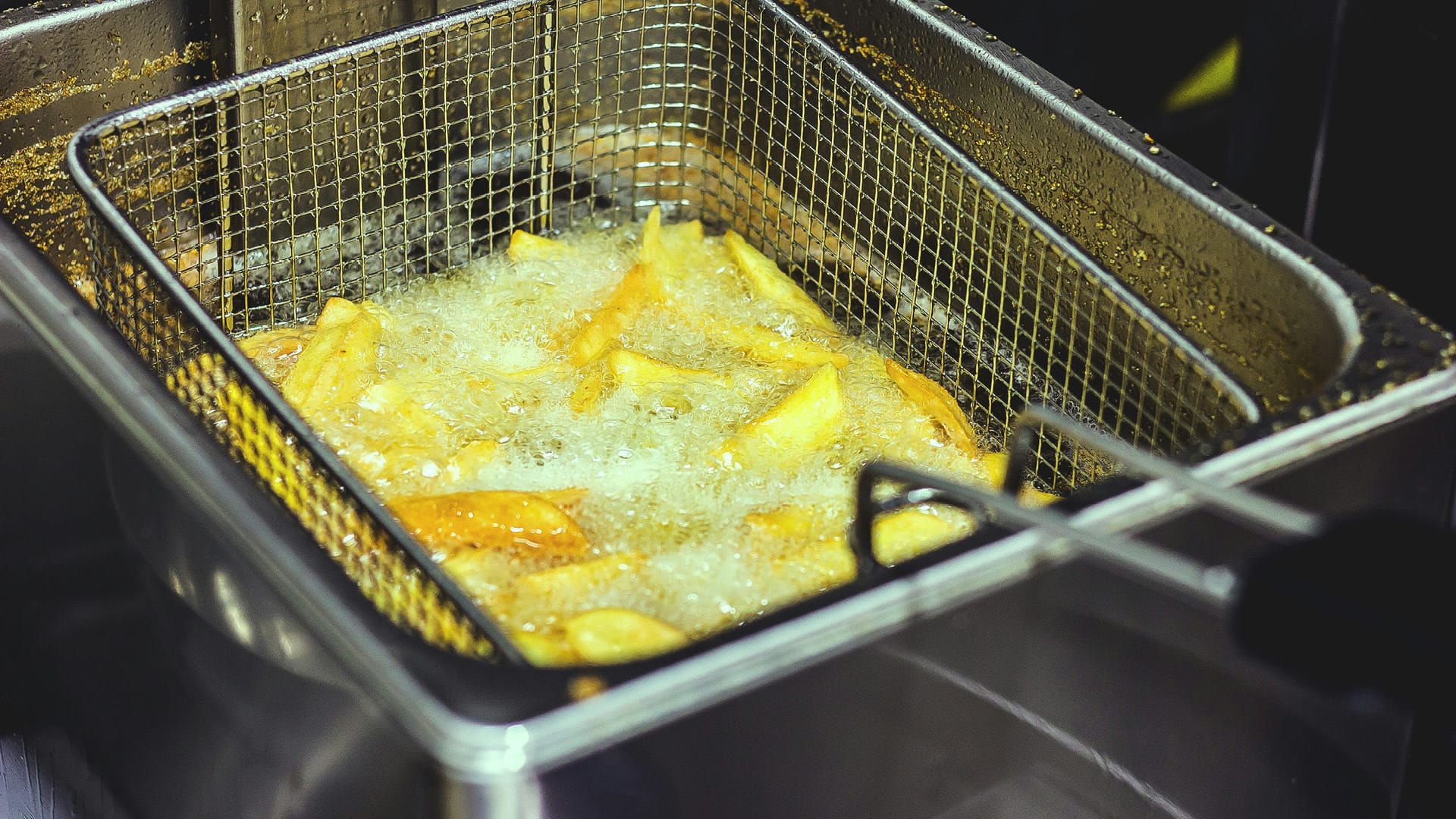
Filtering is a critical part of effective oil management - it removes the crumbs, carbon, and residue that accelerate oil breakdown and impact food quality. Using the right filter papers and pads ensures contaminants are properly captured, not simply circulated back through the fryer. Filtration on its own will improve oil performance, but it only addresses what you can see. Used as part of a daily filtration routine, Magnesol works alongside filtration by treating the oil at a deeper level, adsorbing both solid particles and dissolved impurities that standard filtration alone can’t remove.

Test
Testing puts you in control of your frying oil. By measuring oil quality through TPMs (total polar materials) or FFAs ( free fatty acids) using test strips or digital sensors you remove guesswork and make clear, objective decisions on when to change oil. This prevents unnecessary early disposal, avoids running oil too far, reduces costs, and guarantees oil is always at its optimum - delivering consistent frying performance and the perfect product every time.
Trusted By






Built for Multi-Site Operations
When you're managing frying oil across multiple sites, small inefficiencies multiply fast. One kitchen changing oil a day too early across a ten-site estate adds up to thousands in unnecessary spend over a year. Without a standardised approach, every site does things differently, oil usage varies wildly, and there's no clear picture of what you're actually spending or where the waste is.
We work with multi-site operators, QSR chains, and larger food service groups to put a structured oil management programme in place. That means the right products at every site, a consistent filtration and testing routine, and the visibility to track what's actually happening with oil usage across your estate. Whether you're running ten sites or a hundred, the approach scales and the savings compound.
Ready to save up to
50%
On your oil costs?
Let's get started
Whether you're looking to cut oil costs across a single site or a larger estate, we'd love to have that conversation. Tell us a bit about your operation and we'll come back to you with a practical recommendation, no obligation and no hard sell.


