

Knowing when to change your frying oil is one of those things that sounds straightforward but causes a surprising amount of uncertainty in commercial kitchens. Change it too early and you're throwing money away. Leave it too long and food quality suffers, customers notice, and you end up needing to change it more urgently anyway.
Most kitchens fall back on a fixed schedule or rely on visual cues that are easy to misread. Neither approach is reliable on its own. Understanding the actual signs that your oil needs attention gives you a much better basis for making the call.
The obvious signs: what you can see and smell
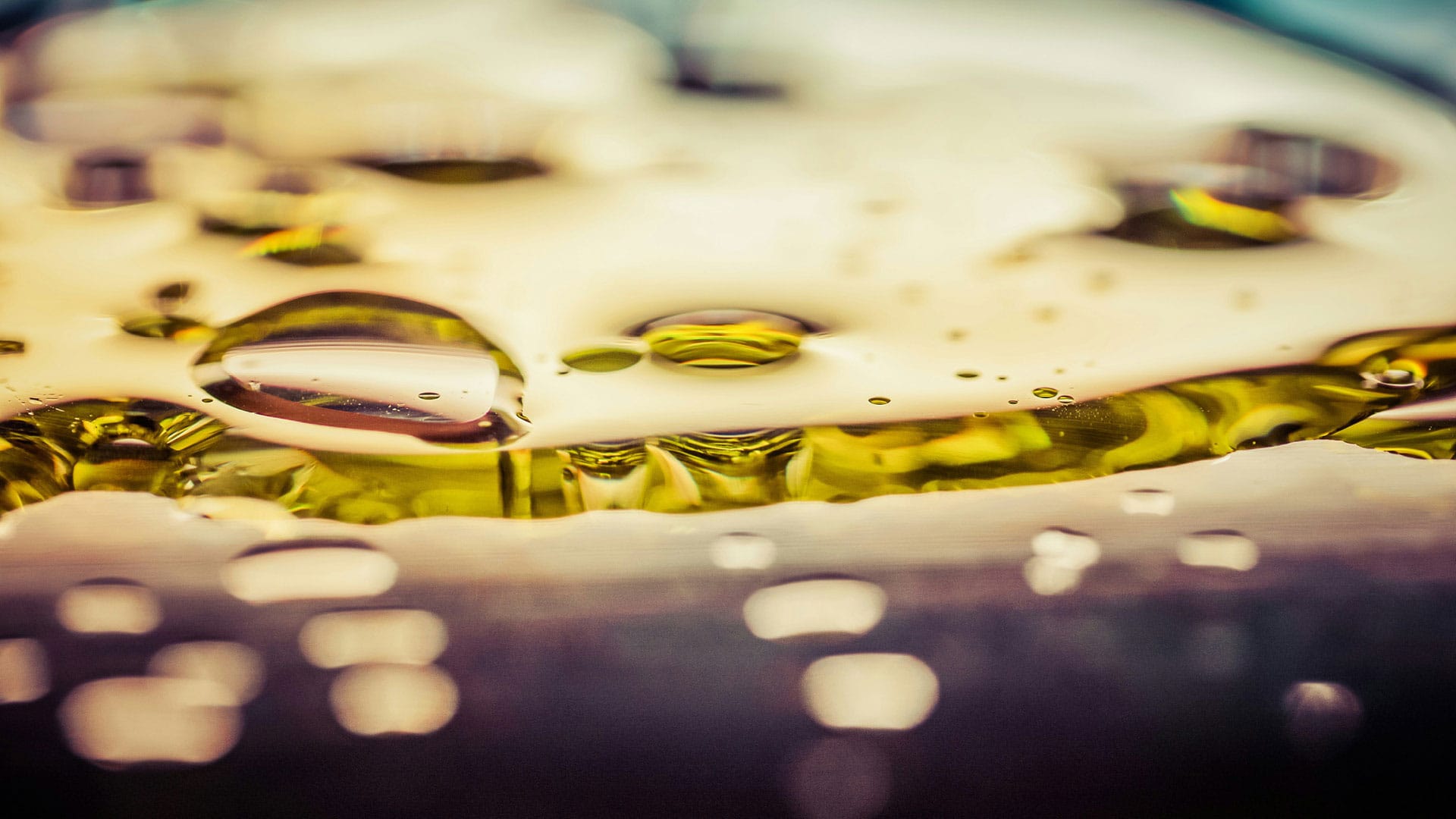
Some signs of oil degradation are visible to anyone who knows what to look for. Fresh frying oil is typically pale yellow and relatively clear. As it degrades, it darkens and becomes less transparent. Very dark, almost brown oil is a clear indicator that it has broken down significantly and needs changing.
Alongside colour, smell is a useful indicator. Oil that has started to degrade often has a sharper, more acrid smell than fresh oil, and this can transfer to the food being fried. If customers are commenting that food tastes bitter or has an off flavour, degraded oil is one of the first things to investigate. Excessive foaming during frying is another visible warning sign, as is oil that smokes more than usual at normal operating temperatures.
The less obvious signs: what you can't easily see
The problem with relying purely on visual and smell cues is that oil can be chemically degraded well before it looks or smells noticeably different. The polar compounds that build up in oil as it breaks down affect food quality and increase health risks at levels that aren't always obvious to the eye or nose.
This is why testing matters. By the time oil looks visibly dark or smells clearly off, it has often been in a suboptimal state for some time. Kitchens that rely on appearance alone tend to either change oil that's still serviceable or continue using oil that should have been changed days earlier.
How to test your oil properly
Testing frying oil doesn't require specialist knowledge or expensive equipment. Oil test strips are the most accessible option for most kitchens. You dip the strip into the oil, wait a few seconds, and compare the result against a reference chart. The strip measures total polar compounds (TPC), which is the standard industry measure of oil degradation. Most food safety guidelines recommend changing oil when TPC reaches 25% or above, though some operators set a lower threshold to protect food quality before it becomes a compliance issue.
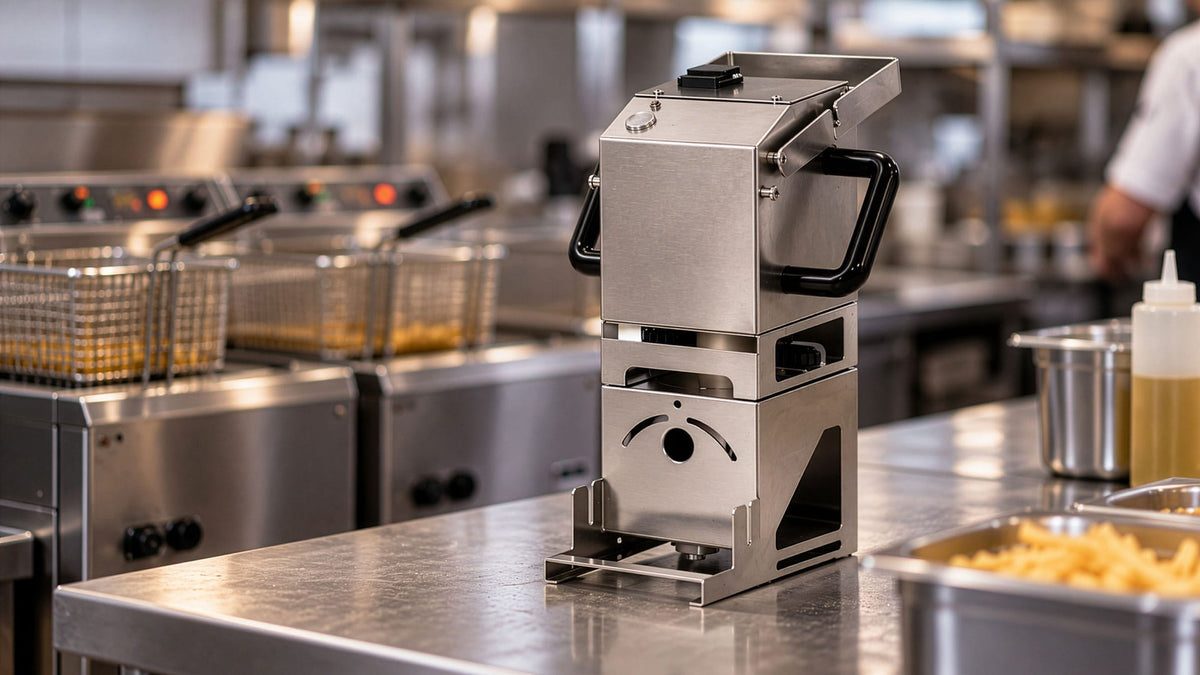
For kitchens running multiple fryers or higher volumes, a digital oil quality sensor offers a faster and more precise reading. You simply dip the probe into the oil and get an immediate reading. It takes seconds and removes any ambiguity from the comparison process. Over time, tracking these readings also helps you understand how quickly your oil degrades under your specific conditions, which makes planning and oil purchasing more predictable.
Signs that filtering and treatment can help
Not every sign of oil deterioration means the oil needs to be discarded. Sometimes the oil just needs attention. If your oil is darker than it should be but testing suggests it's within acceptable TPC levels, a filtration and treatment cycle with Magnesol may restore it to a usable condition and extend its remaining life.
Magnesol works by adsorbing the polar compounds that cause darkening, off-flavours, and accelerated breakdown. Used as part of a regular filtration routine, it can significantly slow the rate at which oil degrades and reduce how frequently full oil changes are needed. If you're seeing early signs of degradation but the oil hasn't hit the point of no return, treatment and filtering is almost always worth trying before discarding.
When the oil genuinely needs to go
There are situations where no amount of filtering or treatment will save the oil and changing it is the only sensible option. Oil that has gone dark brown or black, smells strongly acrid, foams heavily during use, or has tested above 25% TPC should be discarded. Oil that has been contaminated by a cleaning product, or that has had water introduced to it, should also be changed immediately regardless of how it looks or tests.
It's also worth knowing that oil degradation doesn't always happen gradually. A particularly busy service, equipment running at the wrong temperature, or a period of prolonged heating without frying can all accelerate breakdown significantly. If something unusual has happened with your fryer, it's worth testing rather than assuming the oil is fine because it was fine yesterday.
Build testing into your routine
The kitchens that manage oil costs most effectively are the ones that test regularly rather than reactively. Checking oil condition at the start or end of service takes less than a minute with test strips and gives you a clear picture of where each fryer is at. Combined with consistent filtering and the occasional use of Magnesol, it means you're always making informed decisions rather than educated guesses.
If you want to put a proper oil management routine in place, take a look at our full range of testing, filtration, and treatment products. Or if you'd like some advice on what would work best for your kitchen setup, get in touch and we'll be happy to help.


Leave a comment
This site is protected by hCaptcha and the hCaptcha Privacy Policy and Terms of Service apply.